
Our approach
Every project begins with understanding the site, the brief, and the aspirations of our clients. Our approach brings together creative design with a structured process, to help guide clients through every stage of a project with clarity and confidence
Our design approach
Each stage is designed to demonstrate value and build confidence. We follow the RIBA Plan of Work 2020
Stage 0–1: Initial Brief / Feasibility
We take time to understand your goals, site, and constraints, helping you make informed decisions from the outset. This ensures your project starts on a solid foundation, whether it’s a small extension or a complex sensitive site.
Stage 2–3: Concept + Design
Together, we explore creative solutions, balancing contemporary design with sensitivity to context, heritage and the brief. Early designs are tested against opportunities, constraints, and client aspirations to ensure feasibility and ambition align. This stage culminates with the planning submission.
Stage 4-5: Technical Design + Construction
We manage complexities carefully, maintaining craftsmanship, attention to detail, and high-quality delivery throughout construction. Our oversight ensures the design intent is realised while meeting planning, building control, and practical requirements.
Stage 6: Handover
We ensure your completed building meets expectations, integrates seamlessly with its environment, and supports long-term usability. Every project is delivered to the highest standard, reflecting both design quality and craft.
Stage 7: In Use
We continue to support clients after handover, offering advice, guidance, and assistance to ensure your completed building performs as intended, adapts over time, and maintains its quality and character.
Do you have questions on the design approach? - Consider our Guidance Notes
St Francis of AssisiUnderstanding the site
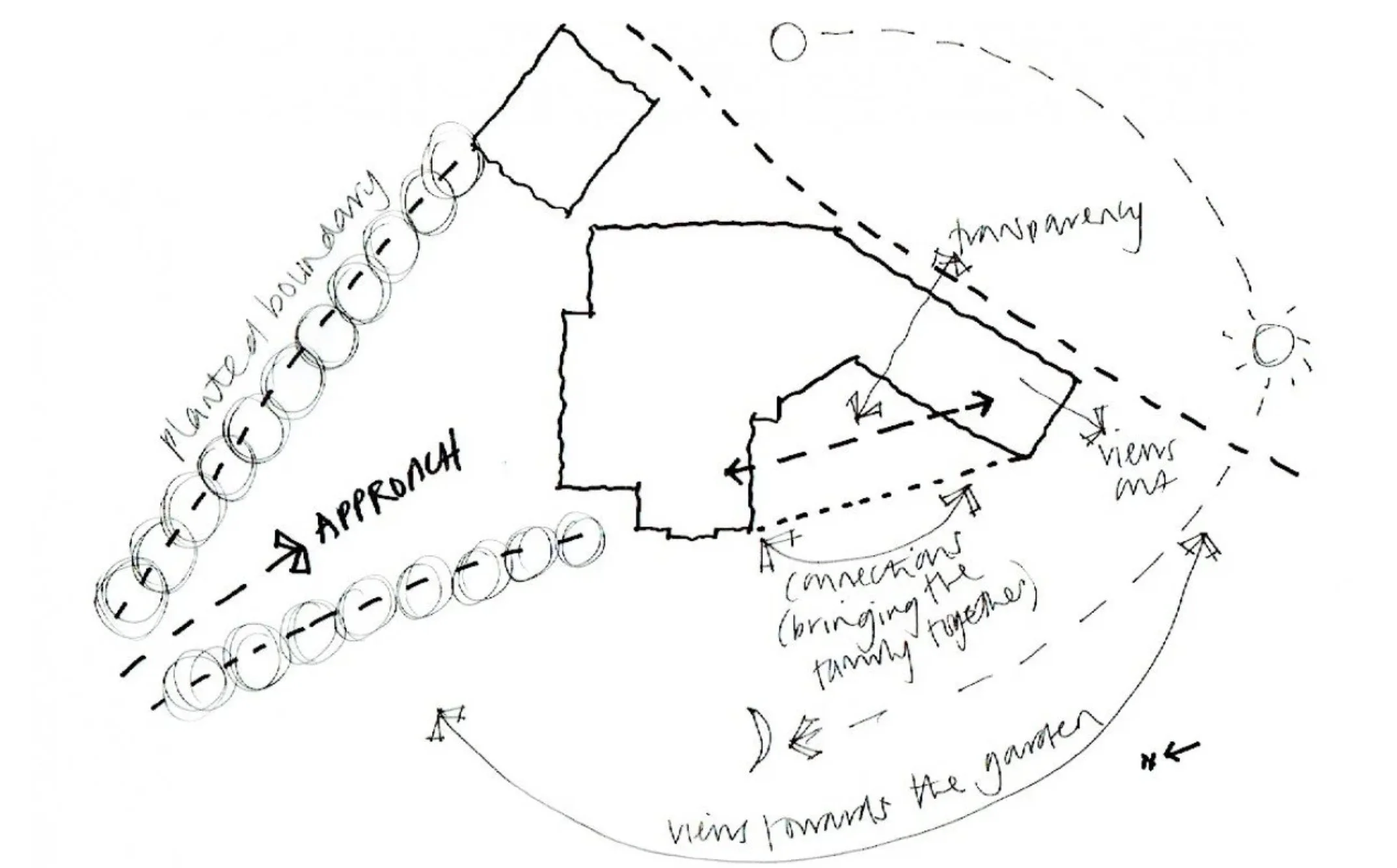
Every successful project begins with a thorough understanding of the site. Before any design work begins, we explore the opportunities and constraints that the location presents. This early stage helps guide the project, ensuring that the design responds to its surroundings and to planning requirements.
Key considerations include:
Site context: Understanding the landscape, orientation, topography, and neighbouring buildings.
Planning constraints: Identifying conservation areas, listed buildings, or local policies that may influence the design.
Opportunities for design: Assessing views, natural light, and outdoor spaces to inform the layout and form.
Feasibility: Establishing what is realistically achievable within budget, planning regulations, and site conditions.
By carefully analysing these factors, we help clients make informed decisions from the outset. This ensures that the design process is efficient, creative, and grounded in reality, reducing surprises later in the project.
Curious how site considerations shape our designs?
Developing the design
Once the site and brief have been established, the design process moves into concept development. This is where ideas begin to take shape, turning your vision into tangible forms and spatial arrangements.
During concept design, we explore:
Spatial layout: How rooms and spaces flow, connect, and interact with each other.
Architectural form: The building’s shape, scale, and relationship with the surrounding landscape.
Light and orientation: How natural light enters the building and interacts with interior spaces.
Materials and character: Initial ideas for materials, textures, and finishes that will give the project its personality.
Concept design is a collaborative stage — we work closely with clients to test ideas, refine options, and ensure the design reflects both lifestyle needs and the site context.
By developing strong concepts early, we set the foundation for a project that is creative, practical, and achievable, while minimising revisions later in the process.
See how these ideas become real homes in our portfolio.

Navigating Planning
Navigating planning permission can often feel complex, especially for projects in sensitive locations such as conservation areas, listed buildings, or rural landscapes. At this stage, our role is to ensure that the design meets both your goals and the requirements of local authorities.
Key elements of our approach include:
Understanding planning requirements: Reviewing local policies, conservation guidelines, and site-specific constraints.
Design informed by regulation: Adjusting form, scale, and materials so the proposal aligns with planning expectations without compromising creativity.
Clear documentation: Preparing drawings, supporting statements, and applications to help achieve approval efficiently.
Liaison with authorities: Coordinating with planners, heritage officers, and other stakeholders to address queries and provide expert guidance.
By integrating planning strategy into the design from the outset, we reduce uncertainty, avoid costly revisions, and increase the likelihood of approval, ensuring your project progresses smoothly from concept to construction.
Learn how our designs meet planning requirements in practice.

Our designs balance contemporary architecture with sensitive environments
Our approach to collaboration
Experience in Sensitive + Historic Contexts
We specialise in projects within historic settings and sensitive landscapes, alongside contemporary architecture across a wide range of contexts
_
Architect-Led Involvement
Projects remain architect-led at every stage, so clients work directly with the design team from initial ideas through to construction
_
Planning + Heritage Expertise
Our experience working with planning authorities and heritage requirements helps guide projects smoothly through complex approvals. We have experience working across many planning authorities including three National Parks
_
Craft, Materials + Detail
We prioritise thoughtful use of materials. Most of our projects explore the dialogue between contemporary design and traditional craft. The smallest details, can make the biggest difference
_
Collaborative Process
Architecture develops through close collaboration with our clients, shaping the project around the brief, the site and what is possible
Do you have a question about our approach? Refer to our FAQ’s
Who we work with
We work with homeowners, landowners, and developers who are looking to create thoughtful residential architecture in sensitive and rural settings. Our projects often involve sites with unique planning considerations, including countryside locations, conservation areas, and historic buildings.
Our clients typically come to us when they are:
Homeowners planning high-quality extensions
Exploring the potential for a replacement dwelling
Clients in rural settings
Properties in National Parks or conservation areas
Clients seeking design-led architecture
Looking to extend or reconfigure an existing house
Working with listed buildings or historic properties
Seeking guidance on planning constraints and site feasibility
Every project begins with understanding the people, place, and possibilities behind the brief. We work collaboratively with our clients to develop designs that respond to their lifestyle, the character of the site, and the wider landscape.