
Craftsmanship Hub
Architecture rooted in craft is defined not only by how a building looks, but by how it is made. We believe that the quality of construction, the honesty of materials, and the skill of those who shape them are fundamental to creating architecture that endures
Tradition and Continuity
We work closely with the traditions of British building craft, particularly where projects involve historic structures or sensitive rural settings. Techniques such as thatching, lime plastering, timber framing, and handmade brickwork are not simply aesthetic choices—they are integral to the performance and longevity of a building.
In rural contexts, we often engage with local crafts such as thatch, ensuring that repairs, extensions, or new interventions respect the material language of the surrounding landscape. These approaches require a deep understanding of proportion, texture, and weathering, as well as collaboration with skilled craftspeople who carry these traditions forward.
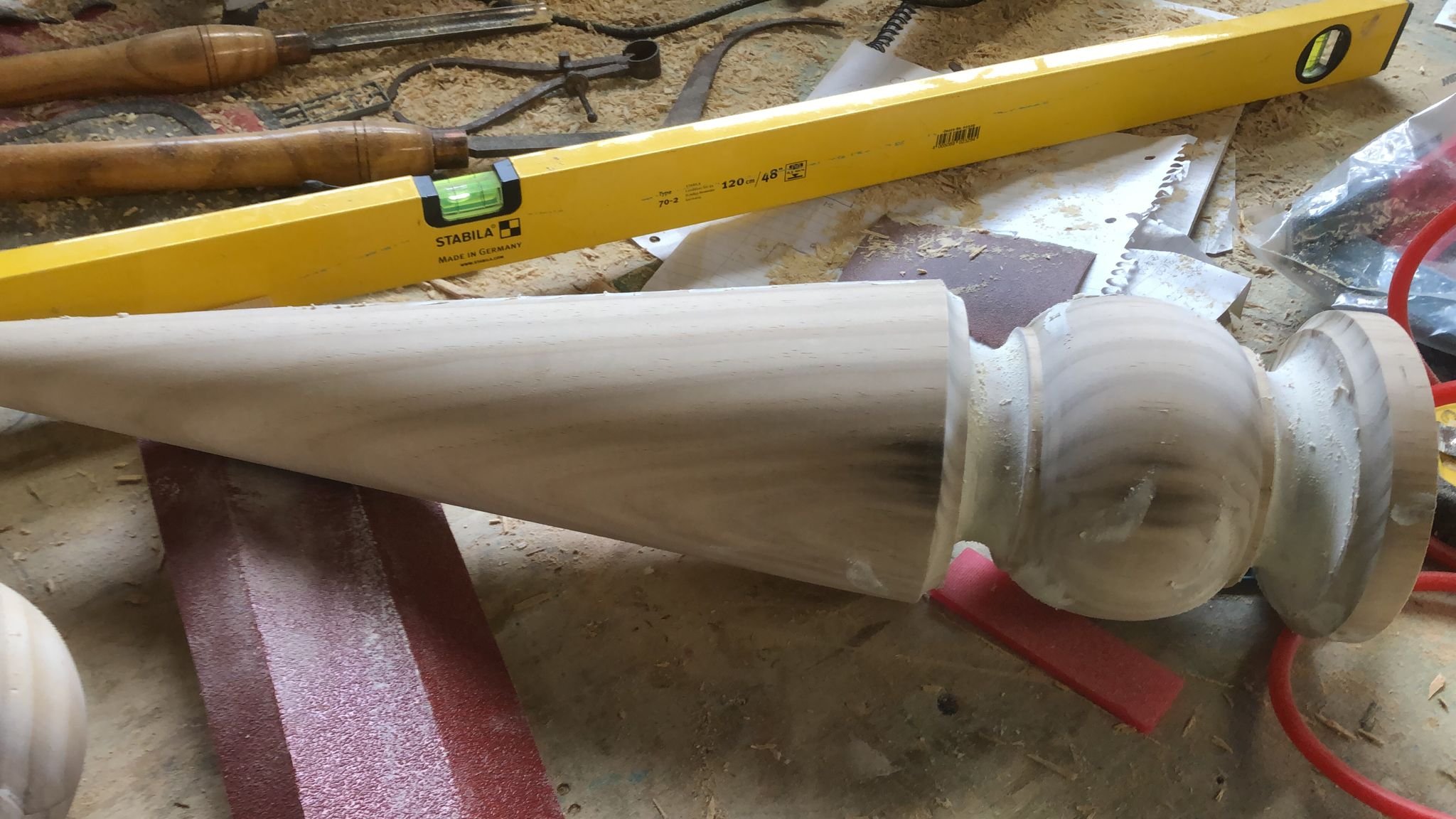
Holyrood Street finials in production
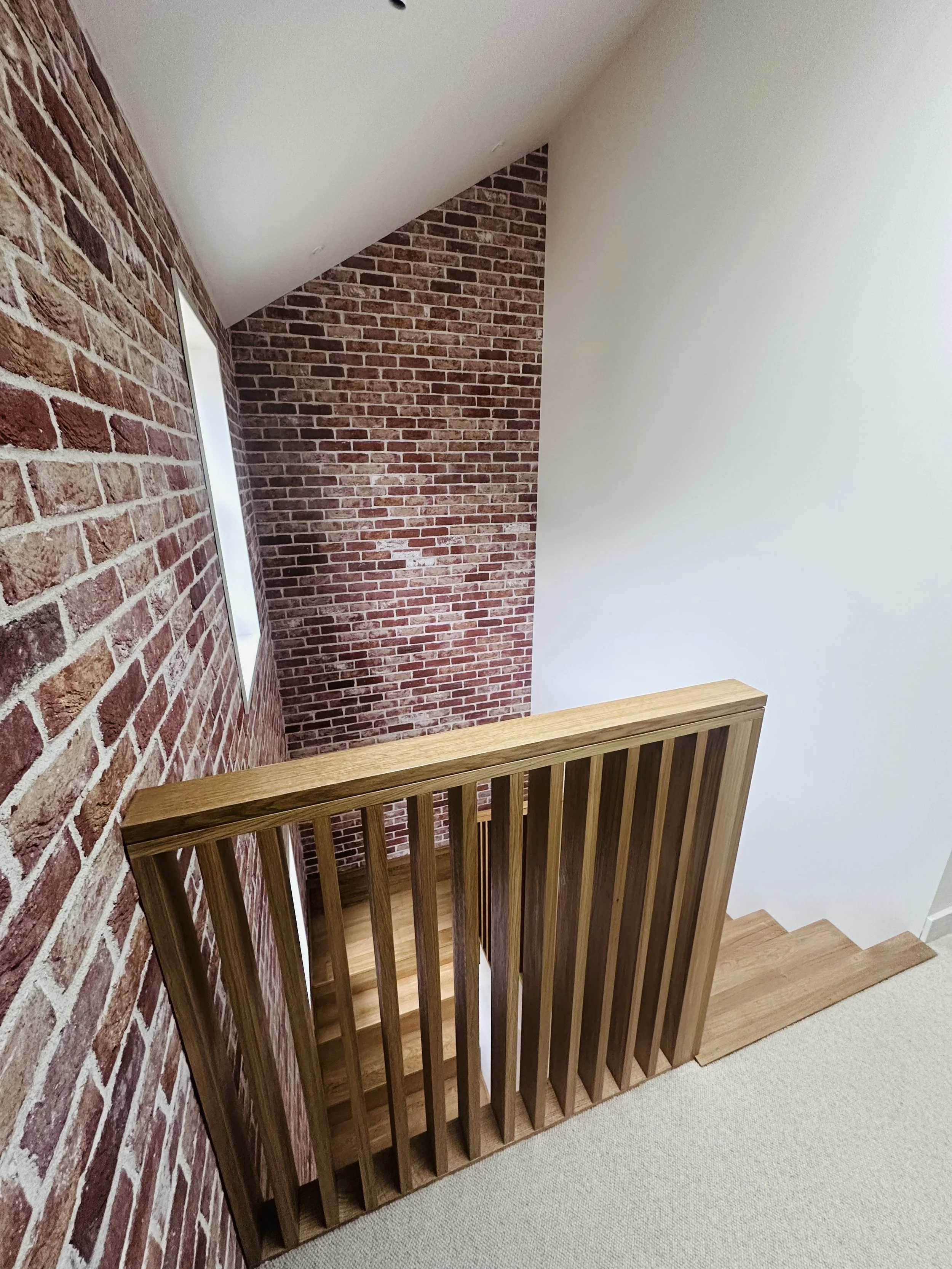
Silver Birch House staircase
Craft in Contemporary Architecture
Craft is equally important in contemporary work. Rather than replicating historic styles, we interpret craft through precise detailing, careful material selection, and a considered approach to assembly.
In urban and more contemporary settings, this may involve:
Bespoke metalwork, including railings, balustrades, and façade elements
Precisely detailed junctions between materials
Expressive structural elements that reveal how a building is put together
By focusing on how elements meet, align, and age over time, we ensure that even modern interventions retain a sense of depth and permanence.
Material Expression and Detail
Attention to detail sits at the heart of our approach. We consider materials not as surface finishes, but as integral components of the architecture. Each element is designed with the same level of care as the overall building, creating a cohesive and well-resolved whole.
This includes:
Handmade and decorative brickwork, where pattern, bond, and mortar contribute to character
Carefully proportioned timber elements, from structural frames to joinery
The use of natural materials that develop patina and richness over time
At a finer scale, this thinking extends to internal elements such as:
Joinery and cabinetry
Staircases and handrails
Fixtures and fittings
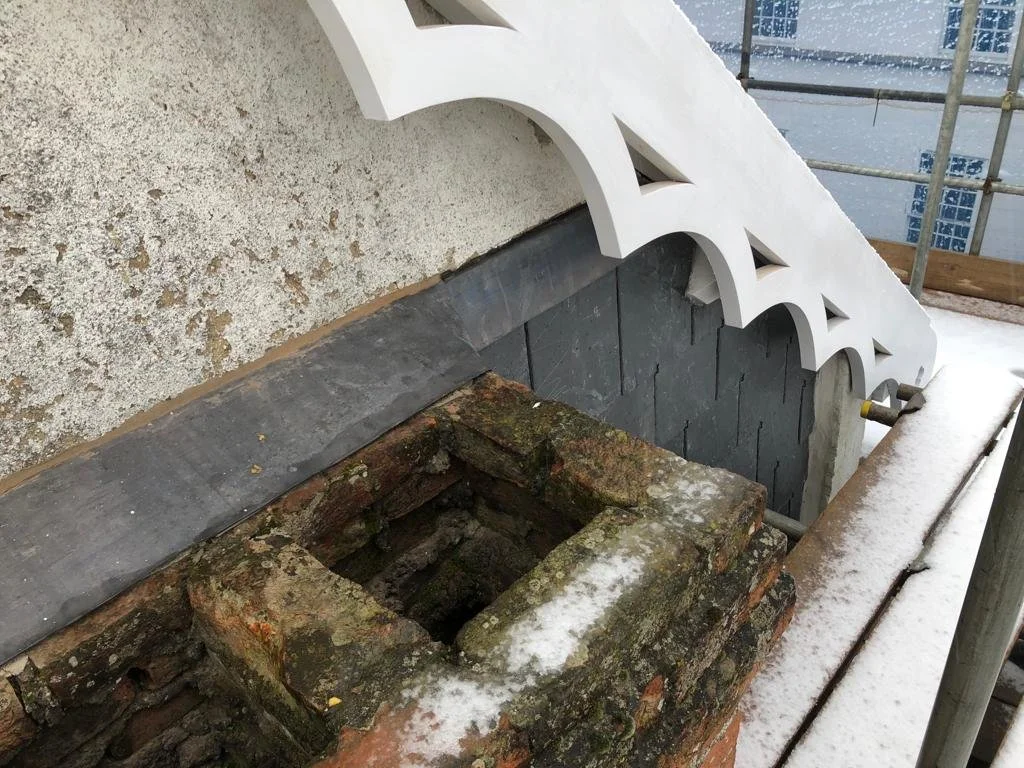
Holyrood Street fascia
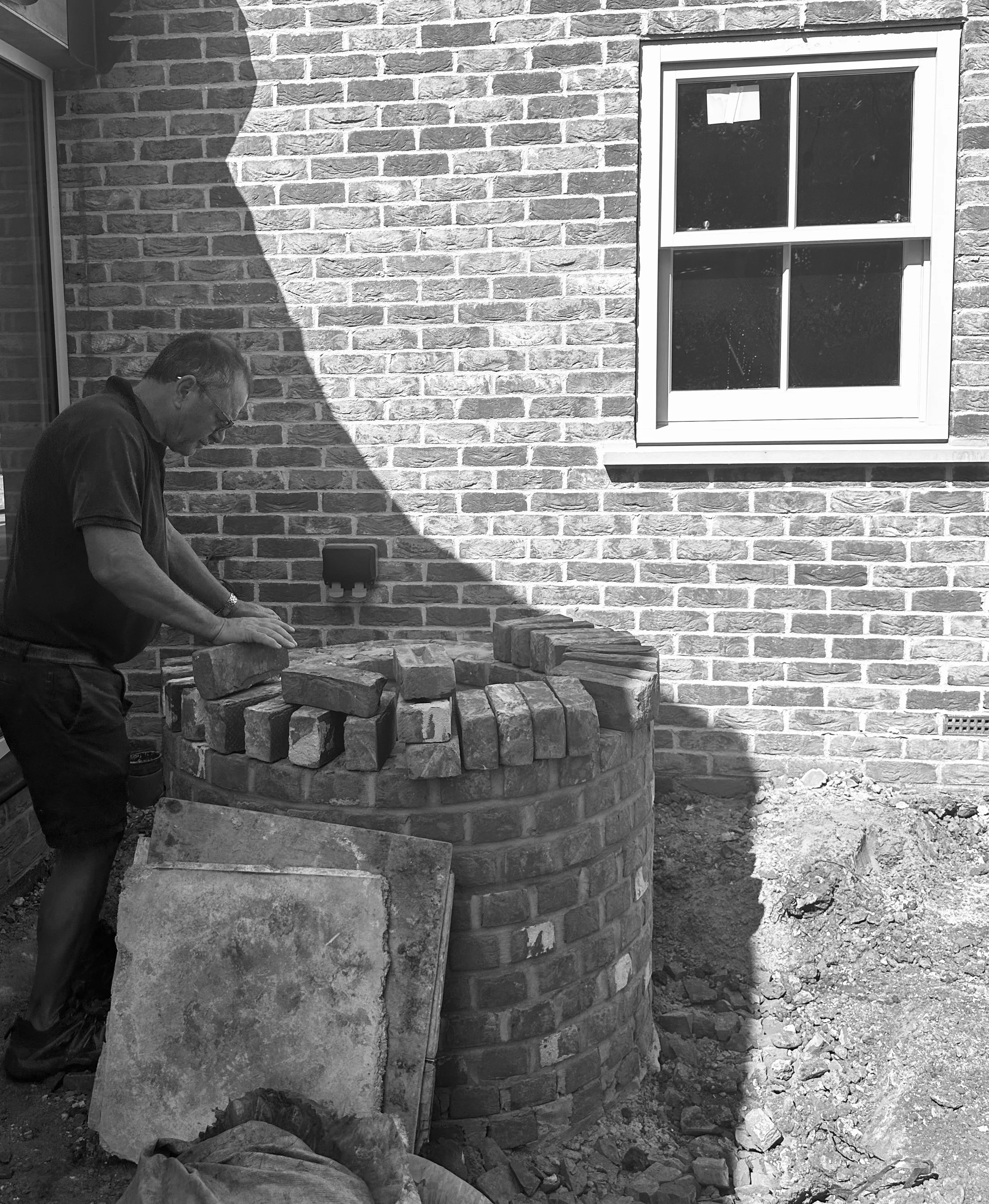
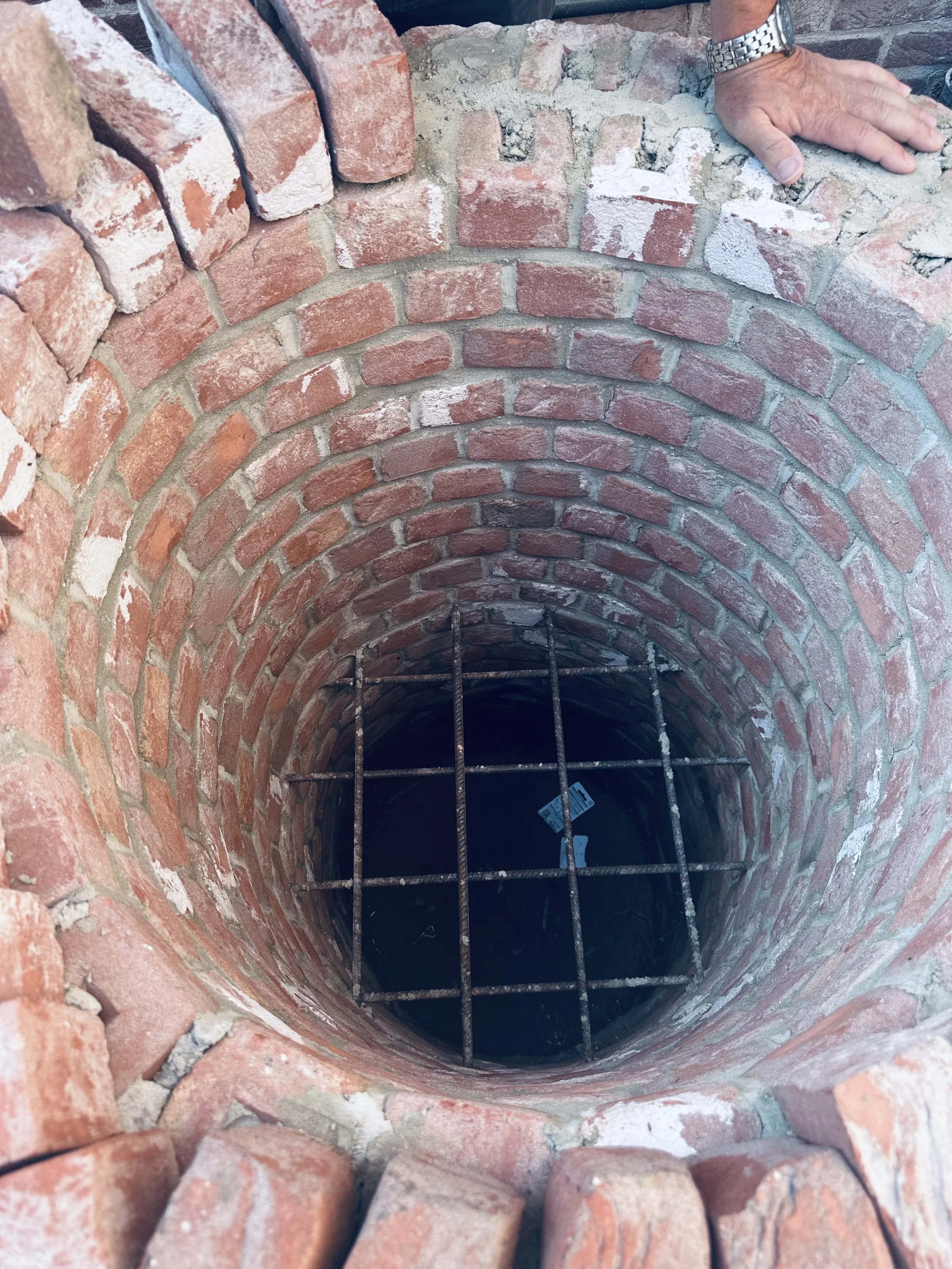
Silver Birch House well
Collaboration with Craftspeople
Delivering architecture of this quality relies on close collaboration with skilled craftspeople, contractors, and makers. We value the knowledge embedded in these trades and see the construction process as a shared endeavour.
By engaging early with specialists—whether thatchers, brickmakers, metalworkers, or joiners—we ensure that design intent is carried through into the built result. This collaborative approach allows for refinement, innovation, and a level of precision that cannot be achieved through drawings alone.
Enduring Quality
An emphasis on craft results in buildings that are not only visually refined, but also robust and enduring. Materials are chosen for their longevity and their suitability to the setting. Details are designed to weather well and construction methods are selected for their appropriateness to the context.
The result is architecture that feels considered and lasting - buildings that improve with time and remain meaningful within their setting.
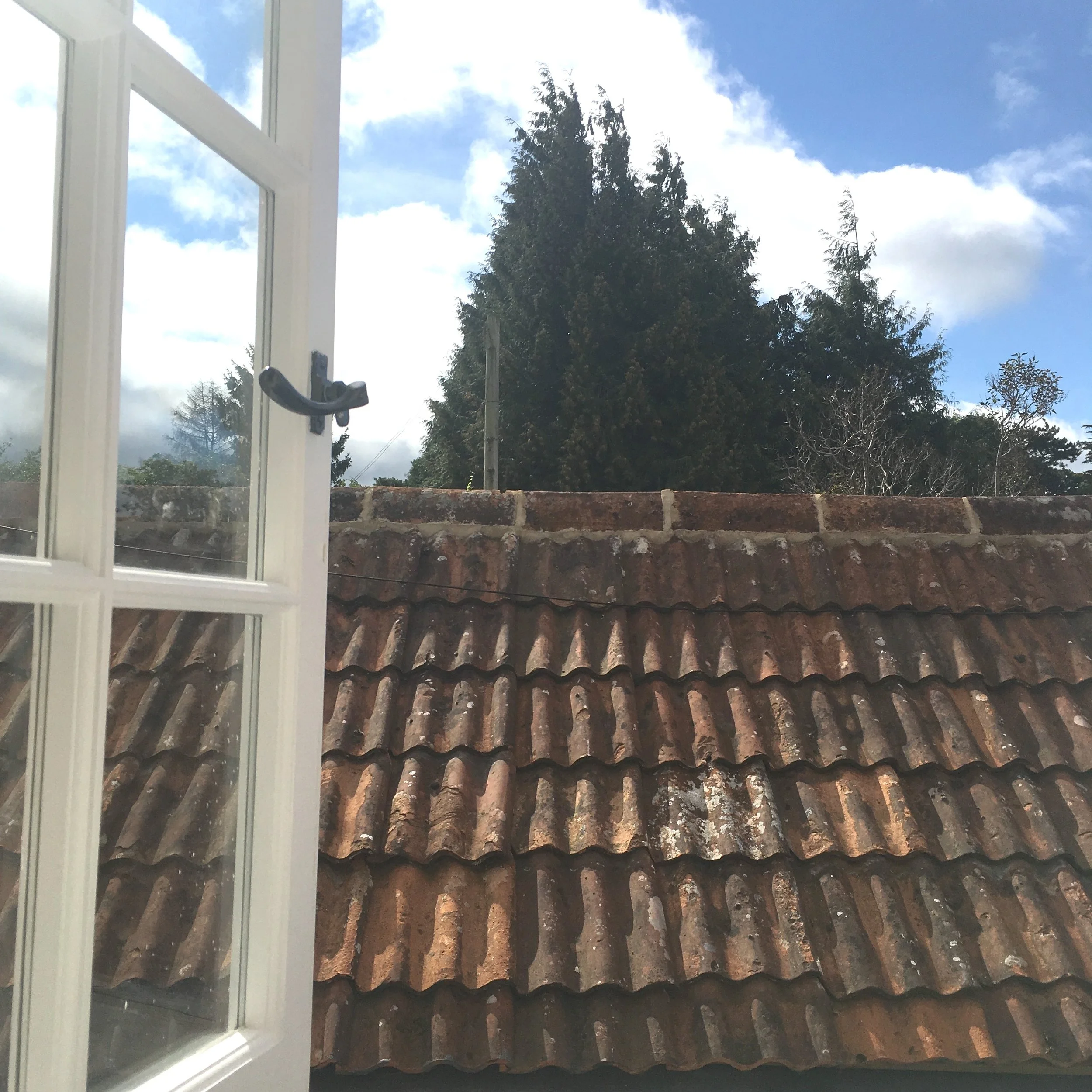
The Banana Store roof

Our work draws on both traditional building crafts and contemporary fabrication, bringing together time-honoured techniques with modern design thinking. This approach allows us to create buildings that feel grounded, tactile, and deeply connected to their setting
Consider our thoughts on craftsmanship
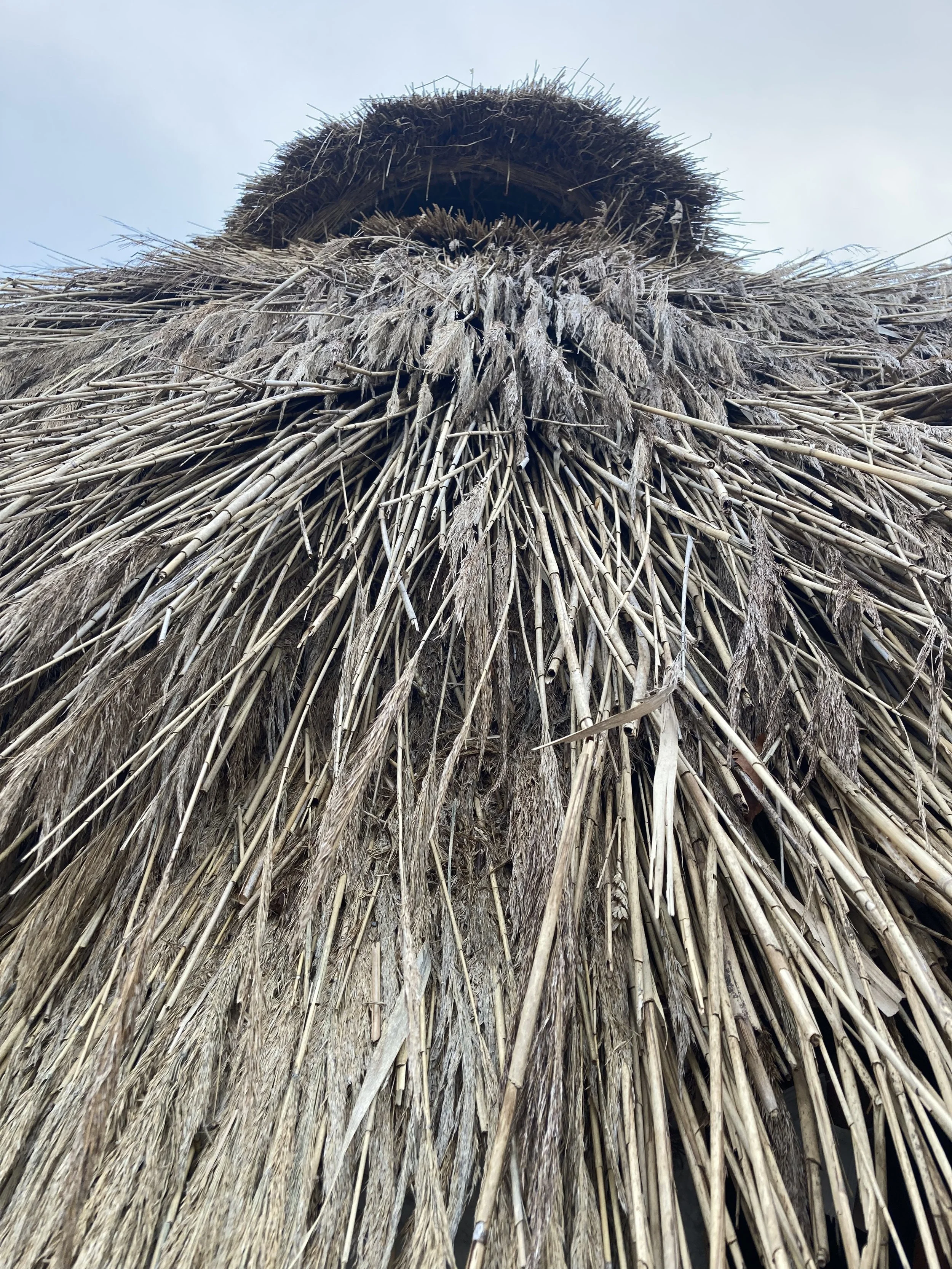
Craft in Rural Architecture: Thatch, Timber and Tradition
In rural settings, architecture is shaped as much by craft as it is by landscape. Materials and techniques such as thatch, timber framing, and lime plastering are not simply historic artefacts - they remain highly relevant in creating buildings that sit comfortably within their surroundings.
Thatch, in particular, is closely tied to the character of many countryside locations. Its texture, depth, and natural weathering qualities give buildings a softness that cannot be replicated with modern materials. Working with thatch requires an understanding of form, pitch and detailing, as well as collaboration with skilled craftspeople who maintain these traditions.
Similarly, timber framing and traditional joinery methods bring a level of precision and honesty to construction. These techniques express how a building is made, creating architecture that feels both robust and carefully considered.
By engaging with these crafts, rural architecture becomes more than a visual response - it becomes part of local building culture, rooted in place and shaped by generations of knowledge.
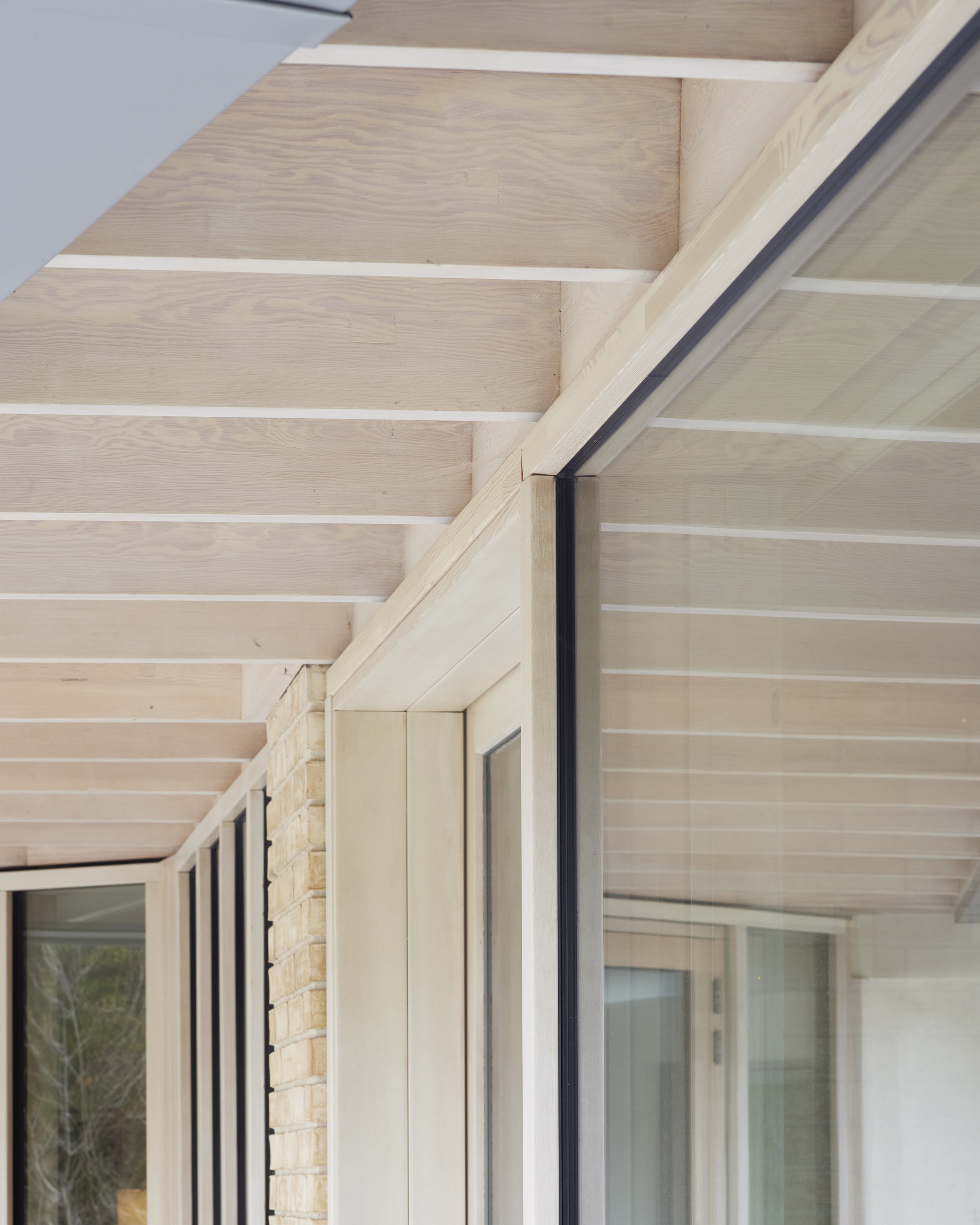
Craft in Contemporary Design: Precision, Detail and Material Expression
Craft is often associated with traditional buildings, but it plays an equally important role in contemporary architecture. Rather than relying on ornament, modern buildings express craft through precision, restraint and the careful resolution of detail.
In urban and contemporary contexts, this might include bespoke metalwork, finely detailed junctions between materials and the integration of structure and finish. Elements such as staircases, balustrades and façade components become opportunities to demonstrate skill and intentionality.
The success of contemporary architecture often lies in how materials meet - how timber aligns with steel, how brick interfaces with glass, or how shadow gaps and reveals are handled. These moments require a high level of coordination between design and fabrication.
By focusing on these details, contemporary architecture can achieve a sense of permanence and quality that goes beyond surface appearance, creating buildings that are both refined and enduring.
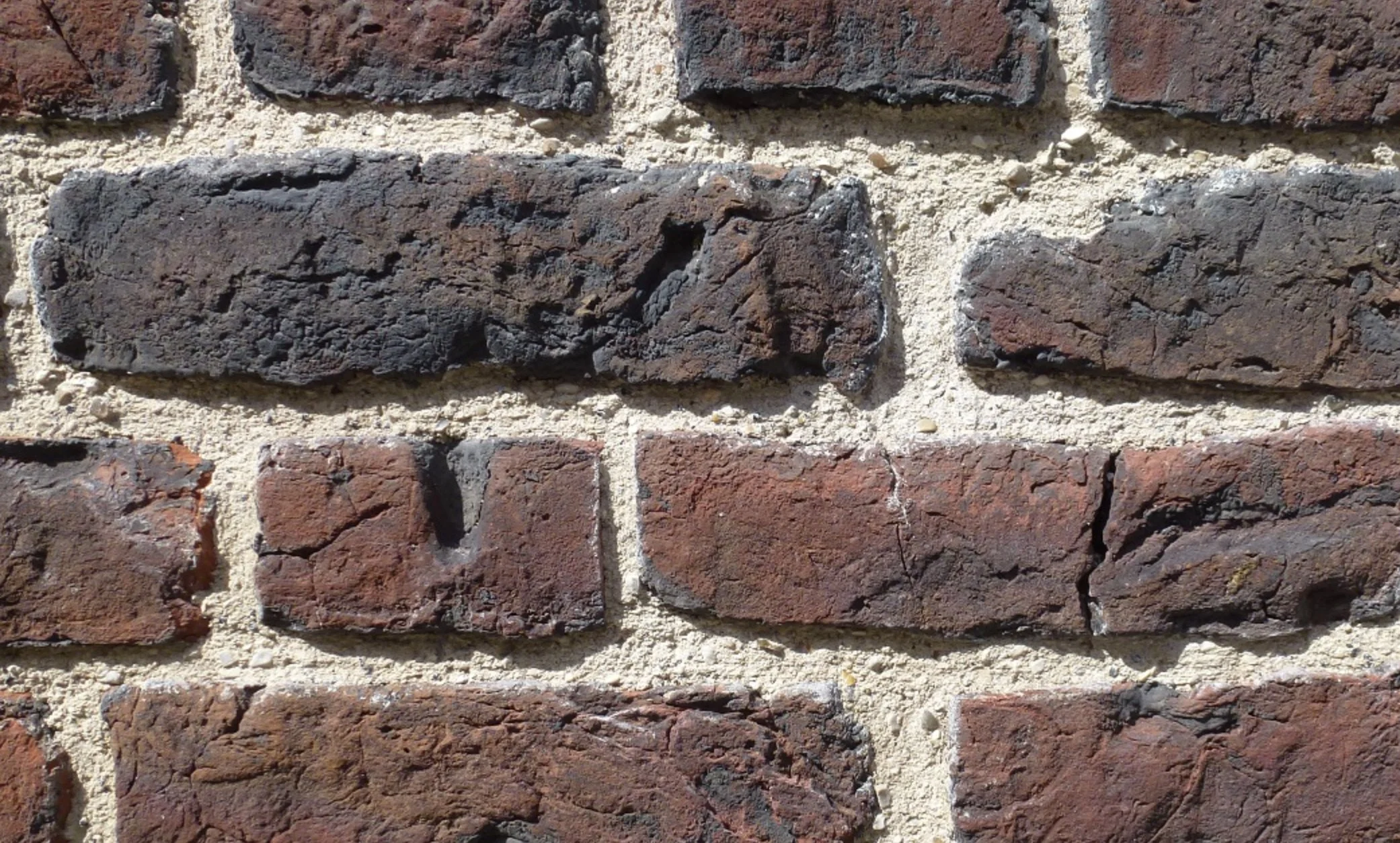
The Value of Handmade: Brickwork, Joinery and Lasting Quality
Handmade elements bring depth and character to architecture in ways that standardised construction cannot. From decorative brick bonds to bespoke joinery, these details contribute to a richer and more tactile built environment.
Brickwork, for example, offers opportunities for variation in pattern, texture, and colour. Subtle changes in bond or mortar can create façades that respond to light and shadow, adding visual interest without relying on applied decoration.
Internally, carefully designed joinery - whether cabinetry, doors, or staircases - can elevate everyday spaces. These elements are often where craftsmanship is most directly experienced, shaping how a building is used and appreciated over time.
Beyond aesthetics, handmade construction is closely linked to longevity. Materials are better understood, details are more robust, and the result is architecture that ages gracefully.
In this sense, craft is not an added layer, but a fundamental aspect of quality - ensuring that buildings are not only well designed, but well made.
Contexts

Residential Architecture
new-build houses, extensions, refurbishments, conversions, rural, sensitive alterations
Heritage Architecture
listed buildings, heritage assets, conservation areas, conversions, repairs + alterations
Community Architecture
new-build, conversions, learning spaces, performance spaces, gathering and religious spaces