National Parks + Protected Landscape Hub
Designing homes, extensions + buildings in National Parks
Forest Architecture specialises in contemporary and sensitive design within the UK’s National Parks and AONB’s, helping clients navigate planning constraints, site sensitivities, and heritage considerations
Planning a project in a National Park? - Consider our Guidance Notes
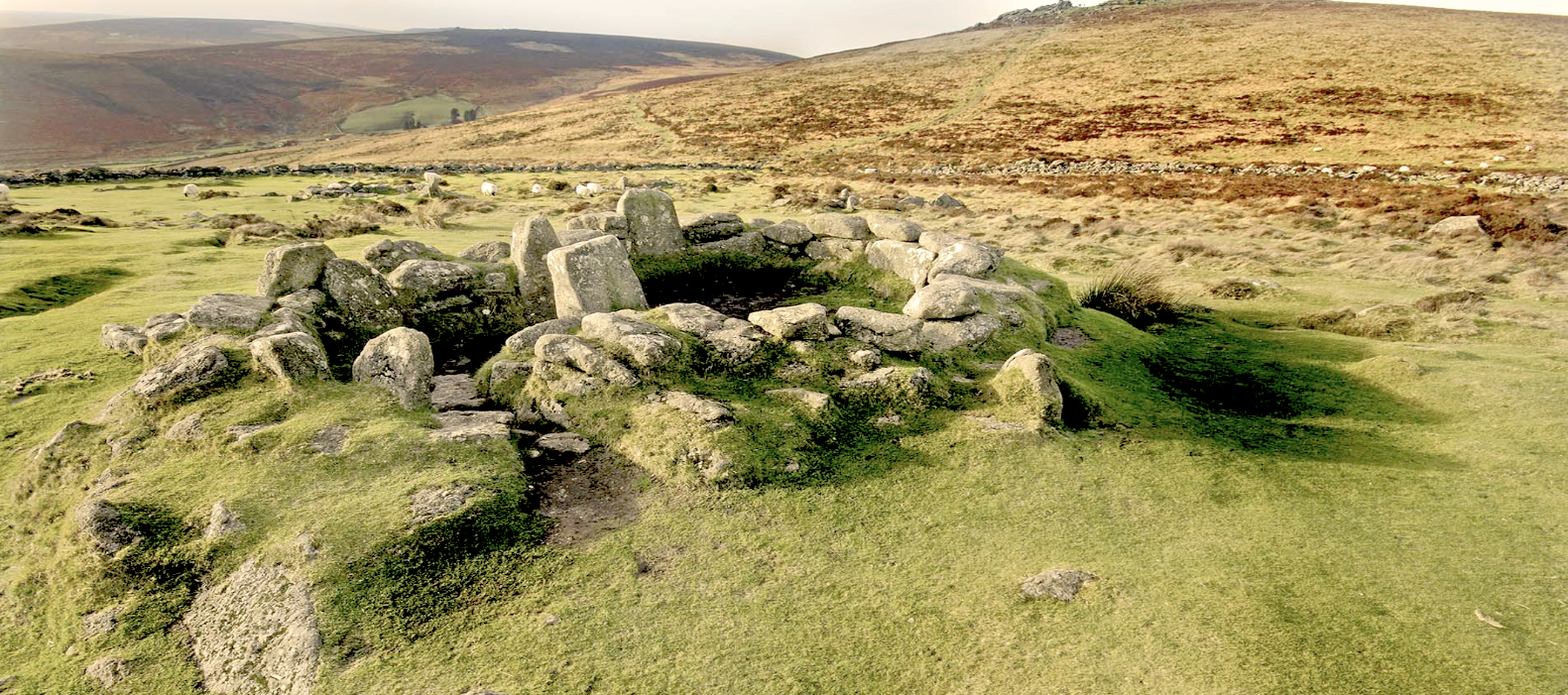
Navigating Planning in National Parks
National Parks have strict planning regulations to protect landscapes, heritage, and biodiversity. Early planning consideration is essential to avoid delays or refusals.
Key Points:
Pre-application advice: Early discussion with the Local Authority is always worthwhile
Design sensitivity: Proposals are assessed for visual impact, scale, and integration with surroundings.
Listed and historic buildings: Extensions or alterations to listed buildings need specialist advice and careful documentation
Planning constraints: Consideration needs to be given to height, visibility, footprint limits and materials
Supporting reports: Planning permission may require heritage, ecological, or landscape surveys
Process tip: Engaging an architect experienced in National Parks early significantly increases the likelihood of approval

Materials for Sensitive Landscapes
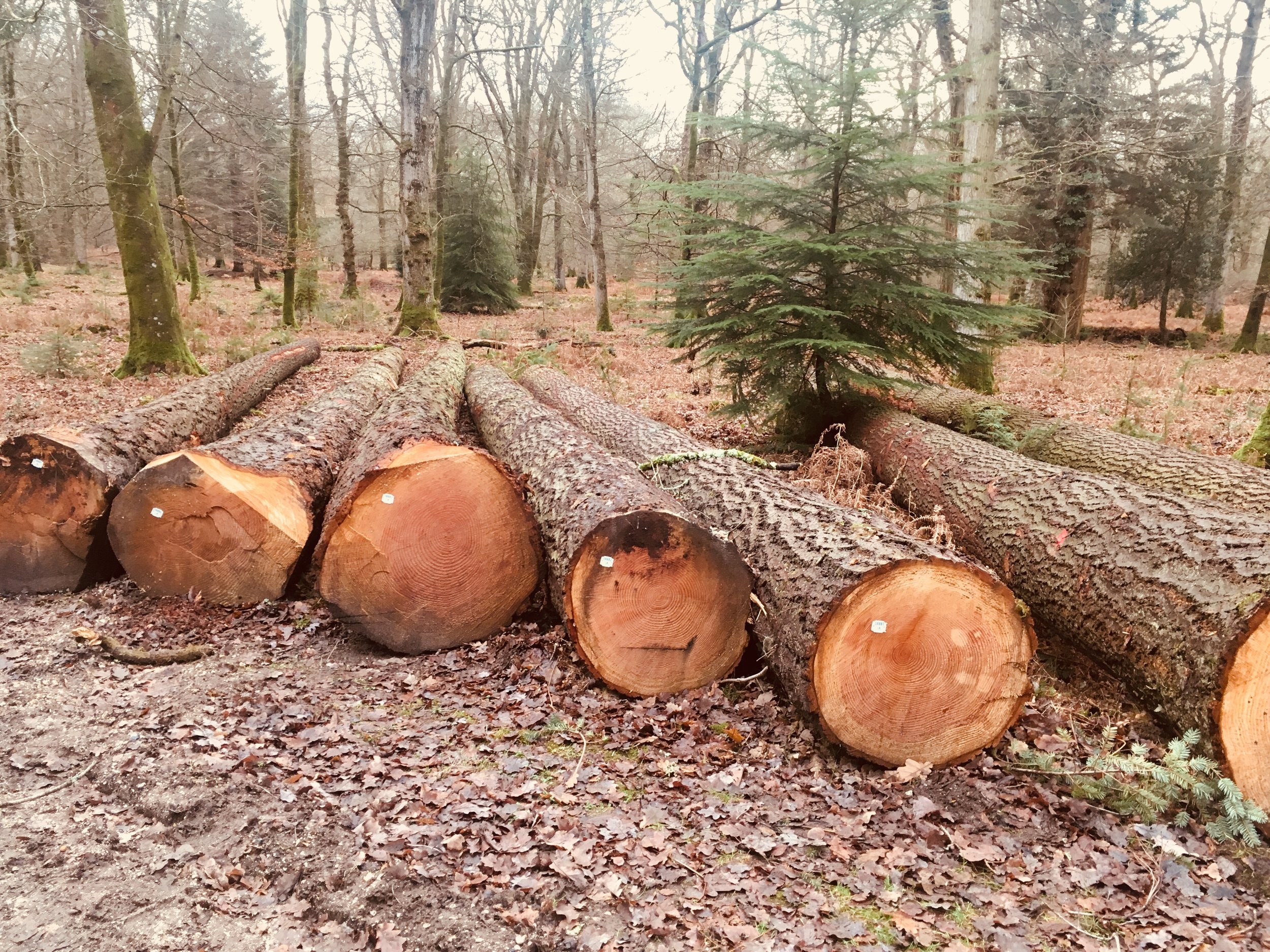
The right materials are crucial to ensure your building blends with the surroundings, satisfies planning authorities, and is durable in a rural context.
Key Points:
Local and natural materials: this tends to be the best way forward
Sustainability: Natural and locally sourced materials
Contemporary options: Modern materials can be acceptable if carefully integrated
Colours and finishes: Neutral, muted colours that blend with the landscape are preferred over bright or reflective surfaces.
Durability: Materials must withstand the local climate and exposure, particularly in coastal or upland National Parks
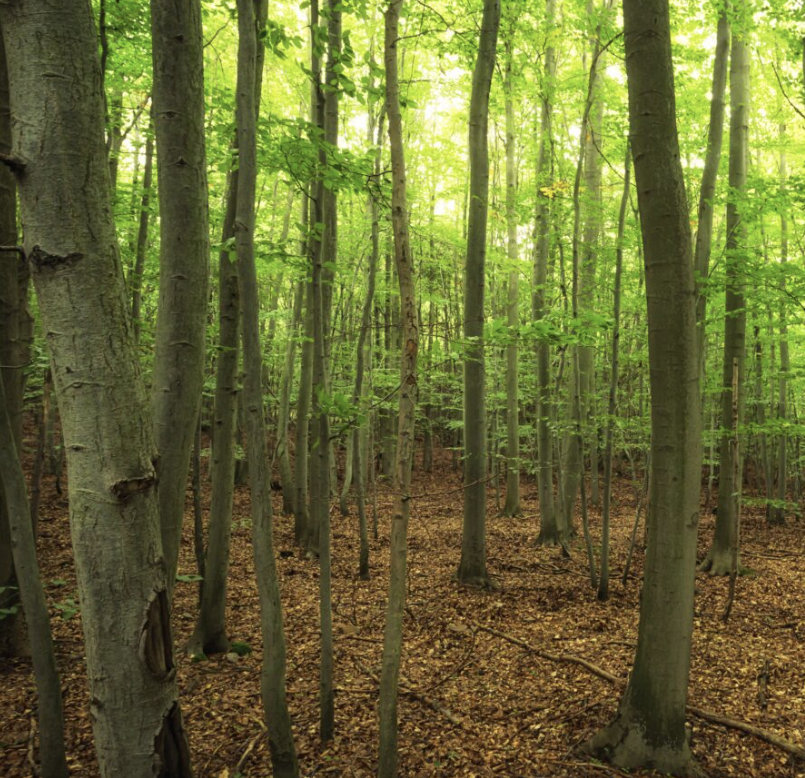
Ecology & Biodiversity Considerations
Protected landscapes often have fragile ecosystems. Integrating ecological considerations early can help secure planning approval and improve project outcomes.
Key Points:
Habitat surveys: Certain species (bats, newts, birds) and habitats are legally protected. Surveys may be required before design or construction.
Impact mitigation: Retaining trees, hedgerows, and natural watercourses reduces ecological impact.
Biodiversity enhancements: Bird and bat boxes, wildflower planting, and sustainable drainage (SuDS) improve ecology and are favoured by planning authorities.
Regulatory compliance: Some projects need Natural England or local ecology reports before planning approval
Early integration: Considering ecology during design prevents costly redesigns and delays

Architects for Protected Landscapes
Designing buildings in National Parks requires a careful balance between architectural ambition and sensitivity to landscape, heritage and planning context.
With a portfolio spanning from Dartmoor National Park to the New Forest National Park and through to the South Downs National Park, Forest Architecture has developed a unique specialism in securing planning consent within the UK’s most strictly regulated landscapes.
Our practice is defined by an 'ecology-first' mentality and a forensic understanding of National Park policy. Whether we are mitigating light spill in a Dark Sky Reserve or enhancing biodiversity in an AONB, we provide the technical rigour and design excellence required to transform sensitive sites into exceptional homes

Residential Projects - National Parks
We work with homeowners and clients on a variety of residential projects within protected landscapes, including:
Contemporary house extensions
Renovation and re-imagining of existing homes
New houses in rural settings
Barn and heritage conversions
Homes within conservation areas and sensitive landscapes
Each project is approached individually, ensuring the design responds to the character and opportunities of its setting.
Our Approach
Every project begins with a conversation about the potential of a place.
Initial Discussion
Exploring your site, aspirations and the opportunities of the landscape.
Concept Design
Developing architectural ideas that respond to context, views and materials.
Planning and Technical Design
Preparing proposals for planning approval and developing detailed drawings for construction.
Realisation
Supporting the project as it moves towards building.