
National Park Architects
Creating a sensitive design response
Designing within a National Park or an Area of Outstanding Natural Beauty (AONB) requires more than just an aesthetic eye; it requires a deep understanding of the dialogue between the built form and the natural environment. At Forest Architecture, we specialise in navigating the unique planning complexities of these sensitive contexts.
Our approach is rooted in the belief that contemporary architecture can—and should—enhance its surroundings. Whether we are working on a replacement dwelling in the heart of the forest or a sustainable new build on a coastal plot, we advocate for a ‘fabric-first’ and landscape-led philosophy. By forming strong relationships with local planning authorities and utilizing traditional crafts alongside modern techniques, we ensure our projects are not only approved but are celebrated for their long-term quality and environmental integrity

New Forest National Park
Ecology-led Design
While our practice is based in Lymington, our portfolio of work in protected landscapes spans across the most significant heritage and natural sites in the region.
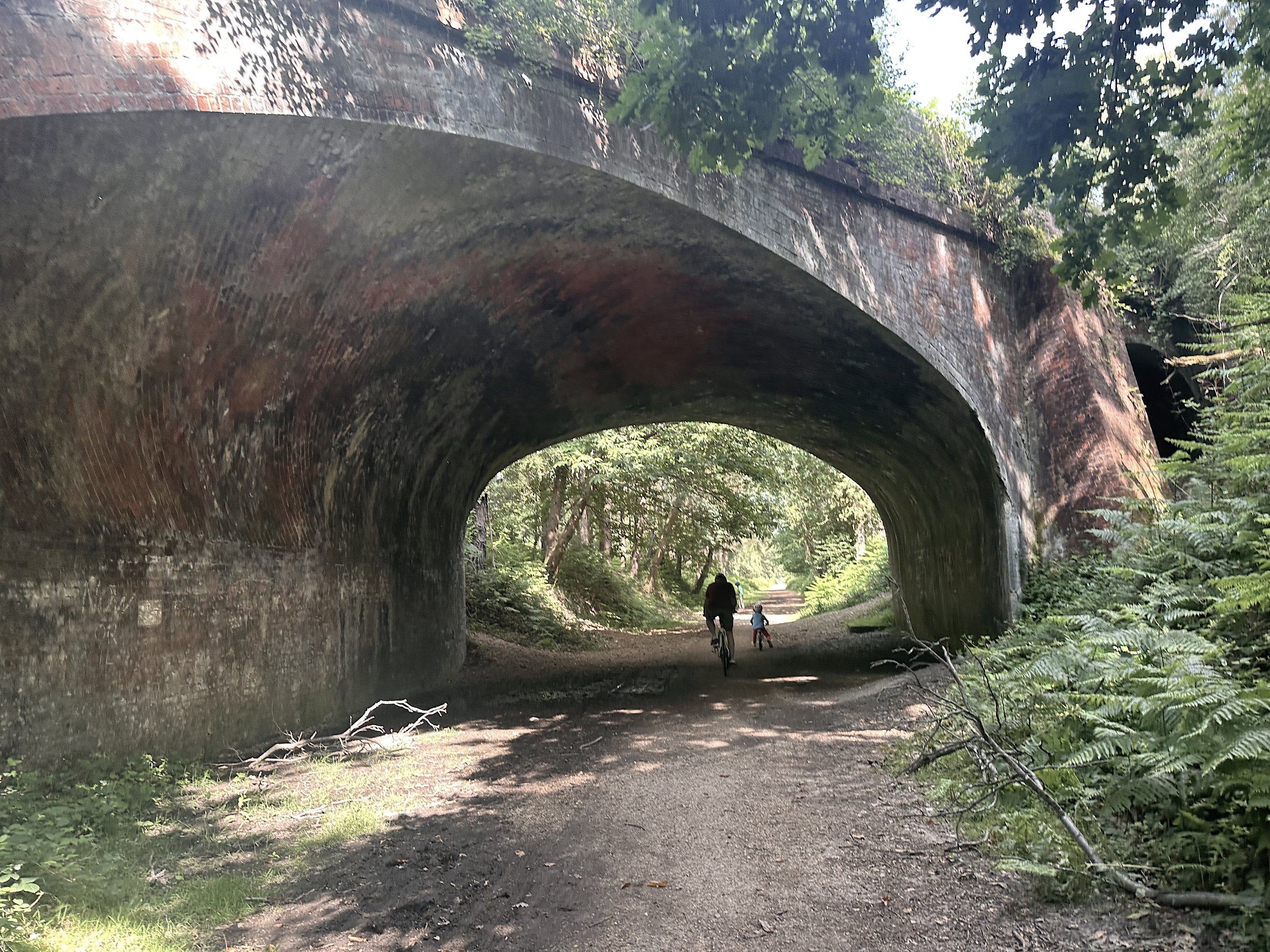
The New Forest National Park: We have a proven track record with the NFNPA, specialising in projects that respect the unique character of the are from the forest to the coast. Our projects range from contemporary extensions to timber-framed rural retreats to new-build houses. We have 100% success rate of planning applications in the area.
The New Forest demands a rigorous approach to biodiversity. From initial bat surveys to the implementation of wildlife corridors or the integration of wildlife infrastructure within our buildings. We ensure that every project—be it a replacement dwelling or a sensitive addition, contributes to the ecological health of the National Park while meeting stringent NFNPA requirements. The New Forest is a stronghold for rare species. Our design process integrates early-stage ecological mitigation, particularly regarding nesting sites, ensuring that biodiversity enhancement is built into the architectural fabric from day one.
Location: New Forest National Park, Hampshire
Designation: National Park
South Downs National Park
Topography & Dark Skies
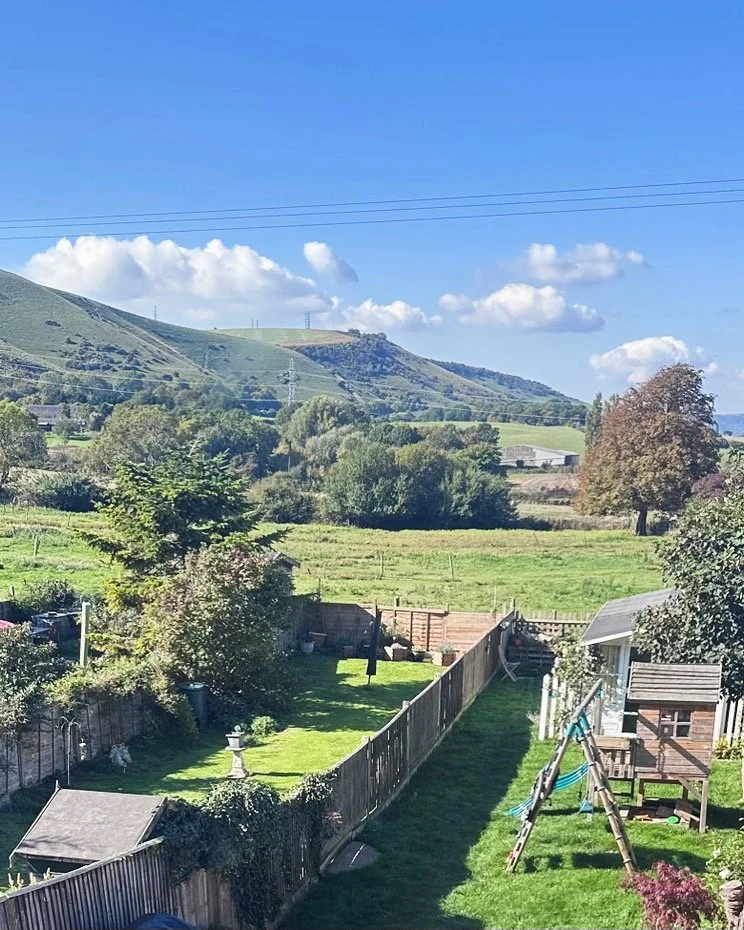
Working within the South Downs National Park—England's youngest National Park—presents a unique set of design opportunities. The landscape here is defined by its iconic chalk ridges and wooded 'combes,' requiring an architecture that sits 'in' the land rather than 'on' it. At Forest Architecture, we focus on a low-profile, landscape-led approach that respects the long-distance views and the delicate skyline of the Downs. Our work here focuses on the sensitive integration of contemporary but elegant additions within the rolling chalk hills and historic village settings of the Downs. Our work within the South Downs National Park is defined by a commitment to the International Dark Sky Reserve. We design with a 'dark skies' consciousness by introducing non-reflective glass, recessed glazing, roof overhangs and omitting roof lights. Design work in the area, focuses upon limiting light spill and ensuring that our contemporary interventions do not compromise the nocturnal landscape.
Location: South Downs National Park, West Sussex
Designation: National Park
Dartmoor National Park
Rugged Vernacular & Planning Rigour
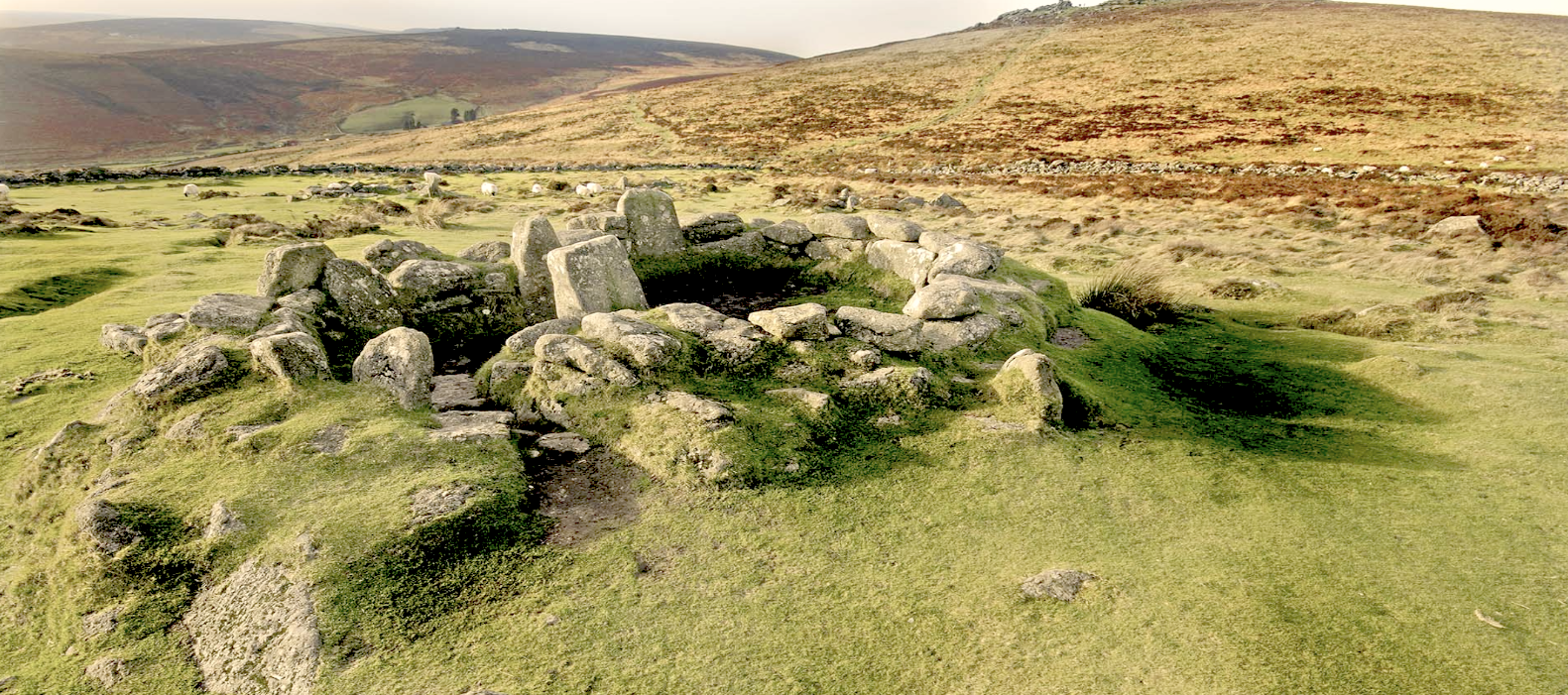
Designing for the upland landscapes of Dartmoor National Park requires an architecture of resilience. Our approach to our Dartmoor projects is defined by a deep respect for the 'moorland vernacular'—utilising a palette of natural materials that weather gracefully into the landscape. We understand that on Dartmoor, a building must not only sit comfortably within the topography but must also withstand the unique environmental pressures of an exposed, high-altitude setting.
Local Distinctiveness & Materials: The DNPA places a high premium on "Local Distinctiveness." We specialise in modern interpretations of traditional Dartmoor forms, ensuring that contemporary glazing and open-plan living are balanced with the weight and massing required by local policy.
'Development in the Open Countryside' Policy: Securing permission for replacement dwellings or the conversion of redundant granite barns requires a forensic understanding of the Dartmoor Local Plan. We focus on 'landscape-led' designs that prove a 'neutral or positive impact' on the National Park’s special qualities.
Location: Dartmoor National Park, Devon
Designation: Conservation Area in National Park
Areas of Outstanding Natural Beauty
Quietly Sensitive Architecture
For the Cranborne Chase & West Wiltshire Downs AONB, the architectural story is one of "Invisibility" and "Sensitivity." Because an AONB (Area of Outstanding Natural Beauty) has the same level of planning protection as a National Park but often a more intimate, agricultural character. The Cranborne Chase & West Wiltshire Downs AONB is a landscape of vast chalk plateaus and intimate river valleys. Architecture here must be quiet and considered. At Forest Architecture, we approach AONB projects with a 'landscape-first' philosophy, ensuring that new interventions—whether a replacement dwelling or a rural studio—do not dominate the horizon but instead sit within the ancient grain of the land.
Massing & Visual Impact Assessments: We utilise 3D modelling (both physical models and computer generated) to help visualise our proposals. Impact studies to ensure that the scale and massing of our designs respect the 'high-open' character of the Chase. This proactive approach helps satisfy AONB planning officers early in the design process.
The Agricultural Vernacular: Drawing inspiration from the traditional farmsteads of Wiltshire and Dorset, we utilise a 'contemporary rural' language. Black timber cladding, often charred cladding, zinc roofing, and traditional crafts allow our buildings to reference the working heritage of the landscape while providing high-performance, modern living spaces.
Location: Wiltshire
Designation: AONB